Studies have found that MUL1 is parallel to the PINK1/Parkin pathway and can participate in the regulation of mitochondrial fusion proteins and compensate for the loss of PINK1/Parkin [57]
Any research involving competitive athletes must account for anti-doping regulation
Book a complimentary consultation and let our licensed professionals help you choose the safest and most effective option
GSH deficiency is associated with a number of central nervous system diseases such as Multiple Sclerosis, Autism, Bipolar disease, Alzheimers, and Parkinsons disease
It ensures patients get the vitamins they need for good health and well-being
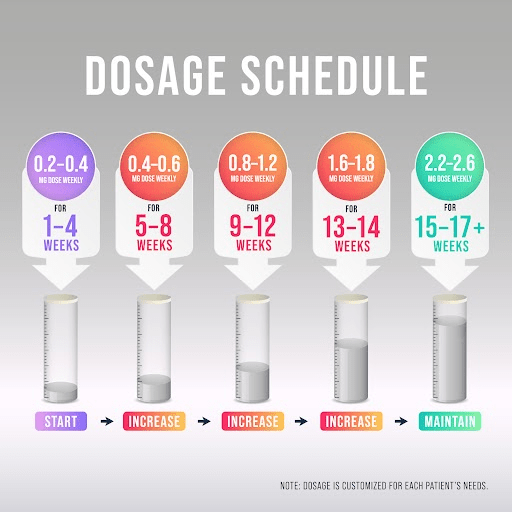
It is classified as a research chemical, meaning: It cannot be legally marketed as a drug or supplement It is not recognized as "Generally Recognized as Safe" (GRAS) No New Drug Application (NDA) has been submitted It has not undergone the formal FDA approval process Research Chemical Status BPC-157 is available for purchase as a "research chemical" in most jurisdictions, with important caveats: Sold for "research purposes only" Not for human consumption (legally) No quality standards enforced by regulatory agencies Purity and identity depend entirely on supplier integrity International Regulations Regulatory status varies by country: United States : Research chemical, not approved for human use European Union : Not approved, status varies by member state Canada : Not approved for human use, research chemical Australia : Not approved, TGA Category 4 substance United Kingdom : Not approved for human use Sports and Competition BPC-157 is not specifically listed on the World Anti-Doping Agency (WADA) prohibited list, unlike TB-500